The Monthly Bus Launch Cycle
If you work in transit procurement or municipal vehicle acquisition, you have noticed the rhythm. A new bus model hits the street almost every single month somewhere in the country. It is not magic. It is mostly budget timing, manufacturer production schedules, and the fact that transit agencies operate on fiscal years that never quite align with each other. Transit agencies across North America and Europe stagger their vehicle orders because of how the money works. A city that closes out its fiscal year on June 30 needs to obligate remaining funds before July 1, or that money disappears back into the general fund. The result is a wave of awards and deliveries clustered around that deadline. Meanwhile, a different city with a September fiscal year end pushes its purchases into August. Add in about 400 public transit agencies in the United States alone, each running on its own calendar, and the net effect is a bus appearing in a new livery somewhere almost every week. Manufacturers like New Flyer, Gillig, Karsan, and BYD also keep their assembly lines rotating. A production line that sits idle for six months is expensive. Even if orders dip, factories maintain a base rate of output and fill gaps with government-subsidized units, export orders, or pre-built stock configurations that agencies can pull from. This means the supply side is constantly pushing product, and the demand side has enough misaligned calendars to absorb it.
How the Procurement Pipeline Actually Works
RFPs, bid cycles, and federal grant windows create the real backbone of this schedule. FTA Section 5309 discretionary grants, for instance, have submission deadlines that cascade through the spring. An agency that wins a grant in October still needs 9 to 14 months for delivery on a custom order. That pushes the actual rollout into the following summer, which then creates the visual impression of a steady stream of launches. The grant cycle alone accounts for roughly half the monthly variation you see in press releases. Bulk orders complicate this further. A city might place an order for 50 buses in January but receive them in staggered lots of 5 or 10 throughout the year. Each lot arrival gets photographed, announced, and shared on social media as a new launch event. One contract becomes twelve separate content moments. That amplifies the perception of constant monthly activity far beyond the actual number of purchase decisions being made.
The Electric Transition Changing Everything
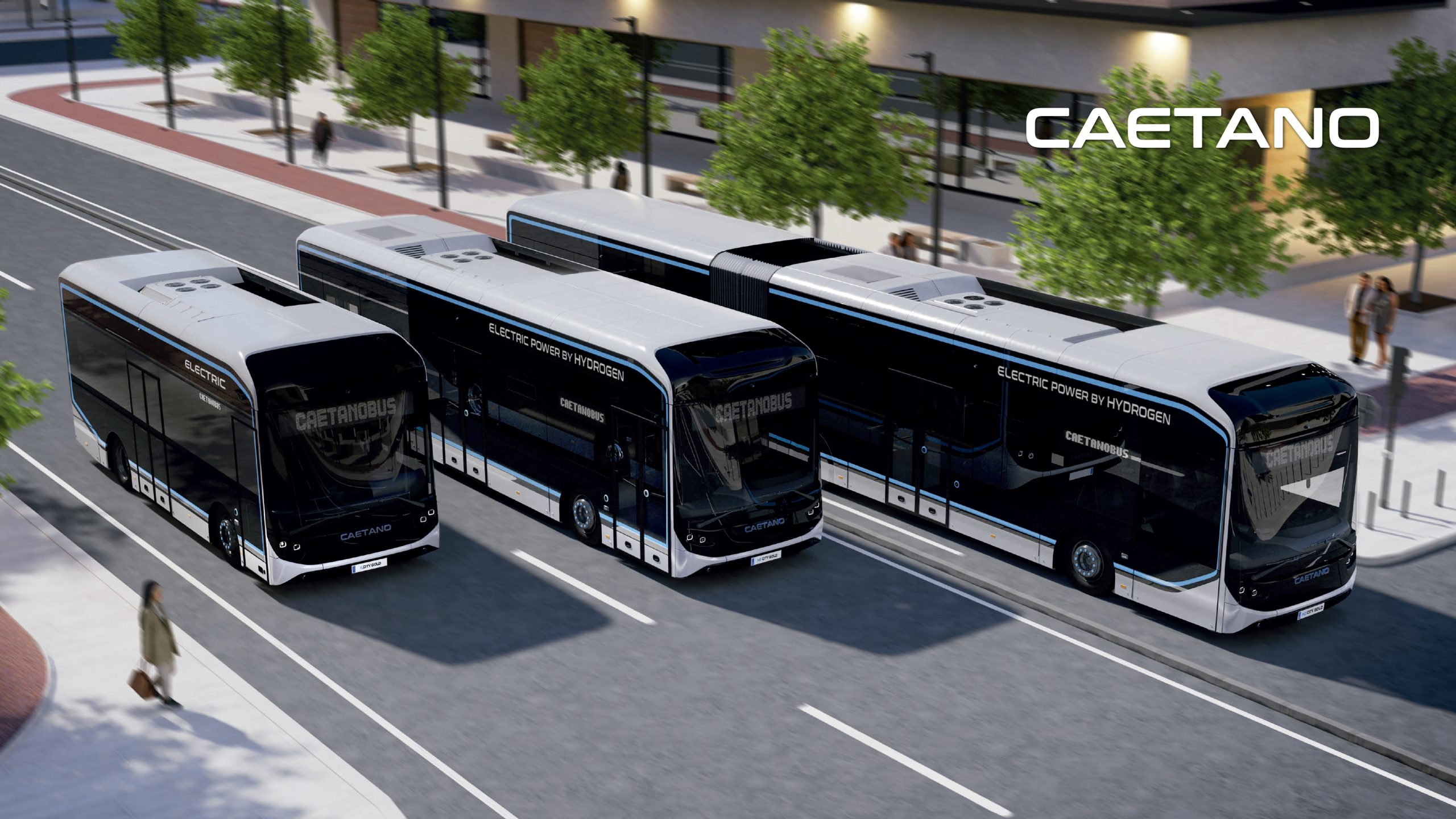
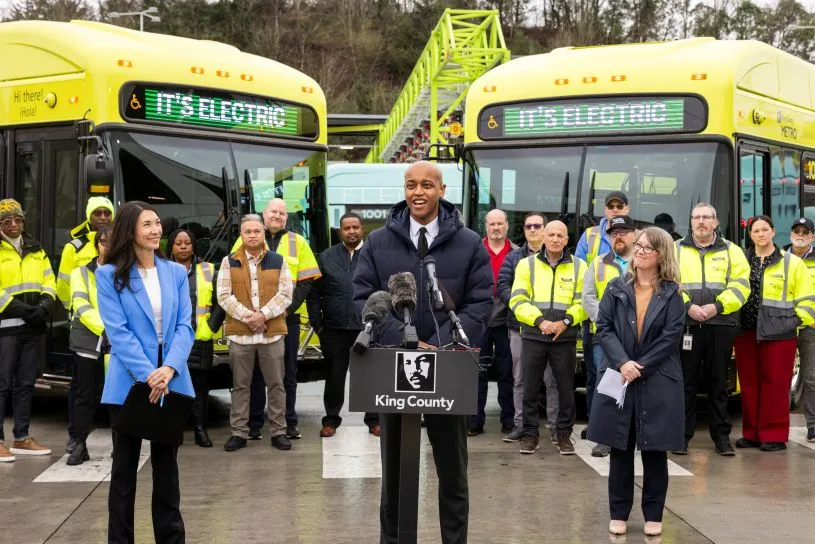
The shift to electric buses has intensified the launch cadence. Every agency moving to EVs is essentially replacing an entire aging fleet, not just topping up a small batch. Charging infrastructure installation, utility coordination, and depot modifications all introduce delays that spread delivery timelines out. Agencies often announce milestones along the way — a charging station energized, a pilot bus delivered, a route converted — and each one gets treated as a launch event by the agency's communications team. I worked with a mid-sized agency in the Pacific Northwest on a bid evaluation last year. We had 14 proposals for 24 electric buses and a complementary charging system. The process took approximately eleven weeks from RFP release to recommendation. During those eleven weeks, three other agencies in the same state released new bus acquisitions because their grant cycles were offset by six months. That is a realistic snapshot of why the news cycle feels nonstop even though the actual number of procurement decisions per month is modest.
Get the Full Details

Common Misunderstandings
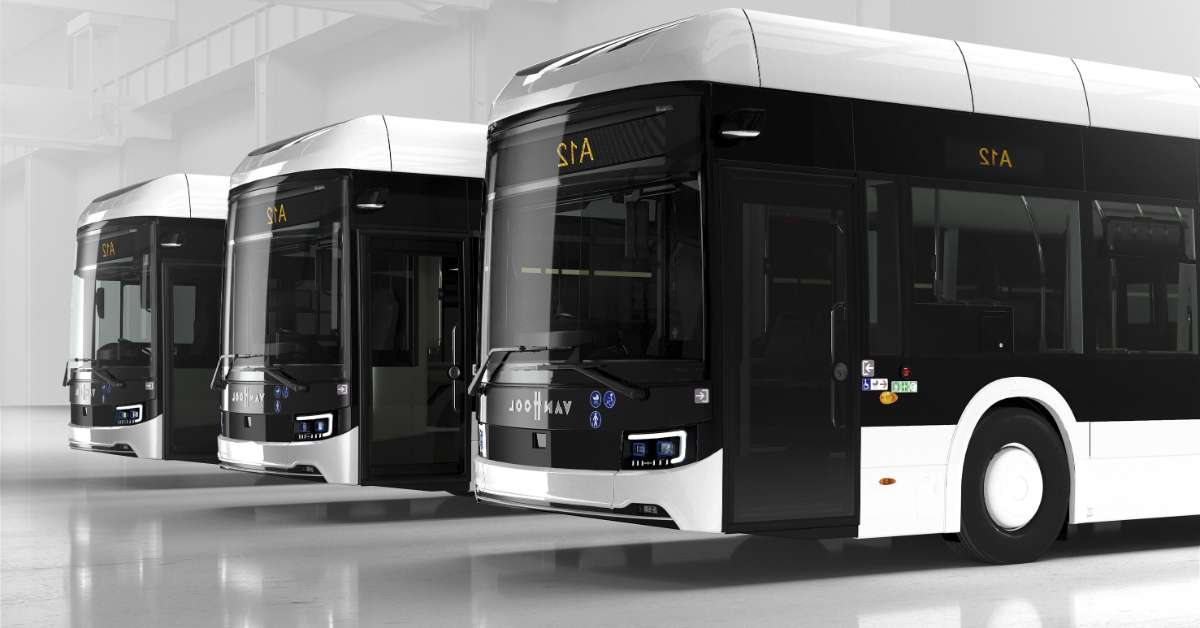
People often assume that a new bus model means an entirely new vehicle platform. Most of the time it does not. Manufacturers update trim levels, refresh infotainment software, swap battery suppliers, or adjust seating configurations, then market the result as a new model year. The chassis may be the same third-generation body shell that has been in production since 2019. What changes is the spec sheet, and transit agencies treat a spec change as a reason for a press event regardless. Another misconception is that launches are spontaneous. They are scheduled at least 18 months in advance for diesel and 24 to 30 months for electric. Factory production slots are booked early, especially during periods of high demand like the post-2021 procurement surge. The monthly rhythm you observe is baked into supply chains long before anyone cuts the ribbon.
The Downsides This Cadence Creates
Fast publication cycles are not free. Maintenance teams struggle to keep up when new models arrive in rolling lots rather than all at once. Parts inventory fragments across multiple model years. Technicians who trained on one drivetrain configuration suddenly need recertification for another. I watched a shop manager in Ohio spend three full days reconciling service bulletins because two similar-looking buses from the same manufacturer had different motor controllers installed due to a supply chain substitution midway through production. Agencies also face pressure to deploy vehicles faster than their operator training programs can handle. A driver who spent four months mastering a particular bus model gets reassigned to a new unit with different braking characteristics or door sequences. That mismatch causes small increases in ride-time errors and boarding incidents during the first ninety days of any new model introduction.
What This Means If You Are Watching the Market
If you track bus launches for investment, competitive analysis, or procurement planning, focus on the underlying data instead of the press releases. Check FTA award databases, manufacturer quarterly production reports, and state-level grant disbursement records. Those sources show you the actual volume of orders and deliveries. The monthly launch announcements are a communication strategy, not a reliable indicator of market growth.