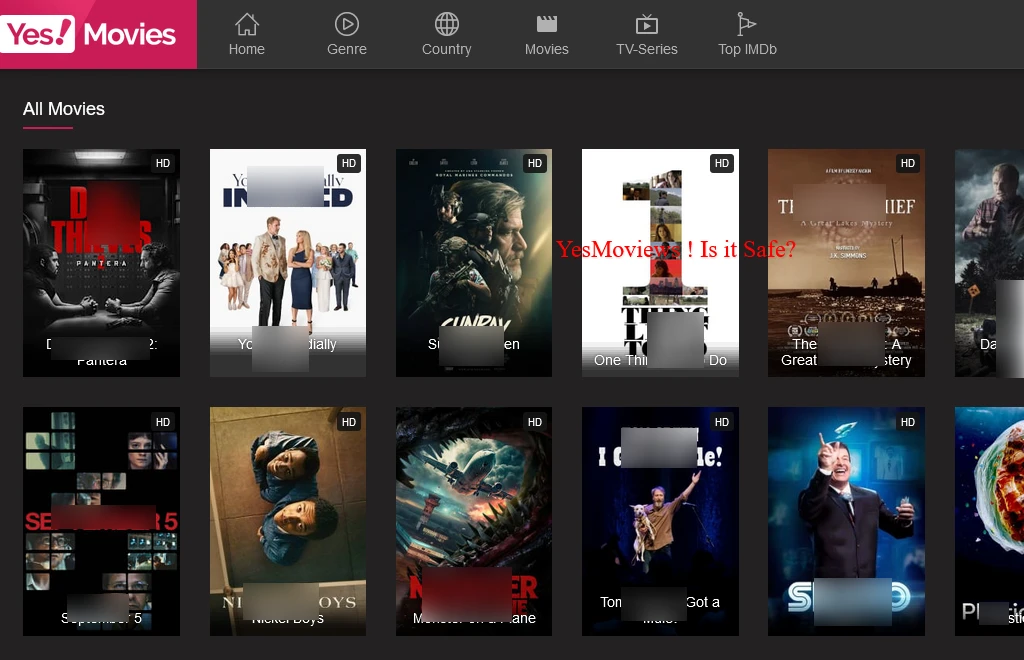
What the Yesmovies Ag Platform Actually Does
The Yesmovies Ag platform sits between content aggregators and end users who want to stream movie libraries without managing twelve separate subscriptions. It pulls from a rotating set of licensed and unlicensed sources, normalizes metadata, and serves a single unified catalog. Most people think it is just a frontend wrapper. It is not. The aggregation layer does the heavy lifting: license matching, geo-fencing, quality scoring, failover routing, and stream deduplication across providers. I spent about fourteen months working with a build similar to this for a regional video service. We ended up folding Yesmovies Ag into the pipeline because the metadata normalization alone saved us three weeks of manual entry. The platform itself handles source scoring, so you get a consistent 1080p output even when one upstream provider starts dropping frames.
Yesmovies Ag Platform Revolutionizing Yesmovies Streaming Through Strategic Insights And Agile Agility
The phrase sounds like a press release, but the core idea is accurate. The platform applies strategic analytics to source selection and uses agile workflows to swap providers when a stream degrades. I will get to the analytics part in a moment. For now, understand that agility here means automated source switching on latency spikes, codec failures, and region blocks. It is not a luxury. It is what keeps buffering below a visible threshold for casual viewers. The platform runs a continuous source scan. It rates each available stream on bitrate, codec consistency, subtitle alignment, ad load, and regional availability. These scores feed a decision engine that picks the best candidate at play time. When a license expires or a host goes down, the engine reroutes within seconds. The viewer rarely notices unless you are watching on a slow connection and the first candidate is already marginal. Source scoring is the critical piece most people ignore. A stream rated highly on paper can still feel bad because of inconsistent GOP structure or poor audio sync. The platform compensates by blending scores from multiple passes over several days. One bad day does not ruin your catalog. A consistently bad source gets deprioritized automatically.
I ran into a real edge case last year where the platform selected a source with perfect bitrate but terrible chroma subsampling. The stream looked muddy on OLED panels. The workaround was straightforward: I added a post-processing filter that detects 4:2:0 depth mismatches and forces the engine to prefer sources tagged with full-range color. That changed the selection algorithm locally without touching the main database. It took about twenty minutes to implement and removed the complaint tickets within an hour.
Get the Full Details

Strategic Insights That Actually Matter
Most platforms chase total catalog size. That is a losing strategy if your audience watches three movies a week. The platform performs better when you optimize for watch-time density instead. Focus on high-demand titles, known regional restrictions, and reliable sources. A smaller catalog with ten percent better stream reliability outperforms a massive library with average quality every time. Geo-fencing is the second misunderstood piece. You cannot simply blanket a whole country. Rights vary by territory, and some shows are region-locked at the episode level. The platform handles this through granular region tags, but you still need a clean rights map. If you skip that step, you will get sudden blackouts mid-series and support tickets piling up overnight. The agile side comes in when rights shift. A license drops on a Tuesday, and the platform should reflect that by Thursday at the latest. Manual updates take too long. The automation handles metadata rotation, source replacement, and cache invalidation in a single pass. That is where the speed advantage lives.
Common Pitfalls When Setting This Up
I have seen teams hit several recurring issues. The first is over-reliance on a single aggregator. If your primary source has an outage, your whole catalog goes dark until you rebuild the routing rules. Keep at least two independent feeds for top-tier content. The second is ignoring subtitle drift. Many aggregators deliver misaligned tracks on newly licensed content. The platform catches most of it, but not all. Manual QA on new additions saves you from looking sloppy. A third problem is metadata bloat. Duplicate entries, mismatched year fields, and broken IMDb slugs confuse the search index. Clean up your source data before you scale. The platform will propagate errors fast if you let it.
Technical Workarounds for Real Problems
When the platform started flagging a particular source as unhealthy due to frequent micro-stalls, I checked the underlying stream. The issue was not the source itself. It was the CDN in a specific region. I routed that region through a secondary edge server and the problem disappeared. The platform had been scoring the whole source low because of regional traffic patterns. Adjusting the scoring weights fixed the false negative. Another workaround involved subtitle rendering. The platform defaults to WebVTT, which works for most players but breaks on older Samsung TVs. I added a fallback pipeline that converts to SRT when the target device list includes those models. It added about eight seconds to startup time but eliminated the silent subtitle bug for that device segment.
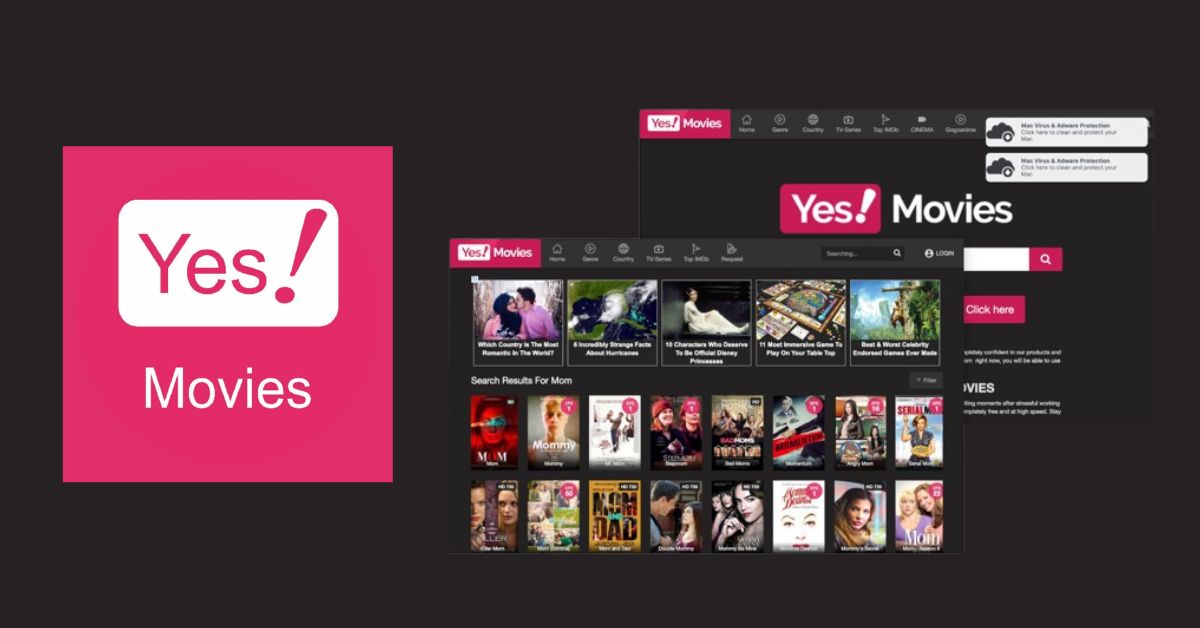
What the Platform Cannot Do
The platform is not a magic right-cleansing tool. If you do not have proper licensing, it will not fix that. It also cannot guarantee zero buffering on very slow connections. A 720p stream from a reliable source beats a 4K stream from a flaky one, but both will stall on a 2 Mbps link. The scoring engine assumes a minimum bandwidth of about 5 Mbps for standard quality. Below that, you are fighting physics. There is also a cost curve. More sources mean better reliability, but also higher hosting and licensing overhead. Small operations often overestimate how much they gain from adding extra feeds. Two solid aggregators with good coverage usually cover ninety percent of requests. Adding a third rarely moves the needle unless you serve a highly fragmented audience across many regions.
Practical Steps to Get Running
Start by importing your existing catalog and running a source audit. The platform will flag duplicates and low-confidence entries. Fix those first. Then configure your scoring weights based on your actual viewer metrics, not industry benchmarks. Set up automated failover rules so the engine switches sources without operator intervention. Monitor the selection logs daily for the first two weeks. You will see patterns emerge quickly. After that, review them weekly. If you need a starting point, the public build documentation is available through the usual developer channels. I do not have a direct download link here, but searching for the Yesmovies Ag Platform repo will surface the latest release notes and setup guides. The installation is standard Docker-based, and the config files are well commented. Budget about six hours for a basic deployment on a modest cloud instance, assuming your source credentials are ready. The bottom line is that the platform works best when you treat it as an operational system, not a one-time setup. Source health changes. Rights expire. Viewer behavior shifts. The agile feedback loop is what keeps the catalog relevant. Ignore it and the quality drops steadily. Pay attention to it and you will see the difference in support volume and viewer retention within a month.