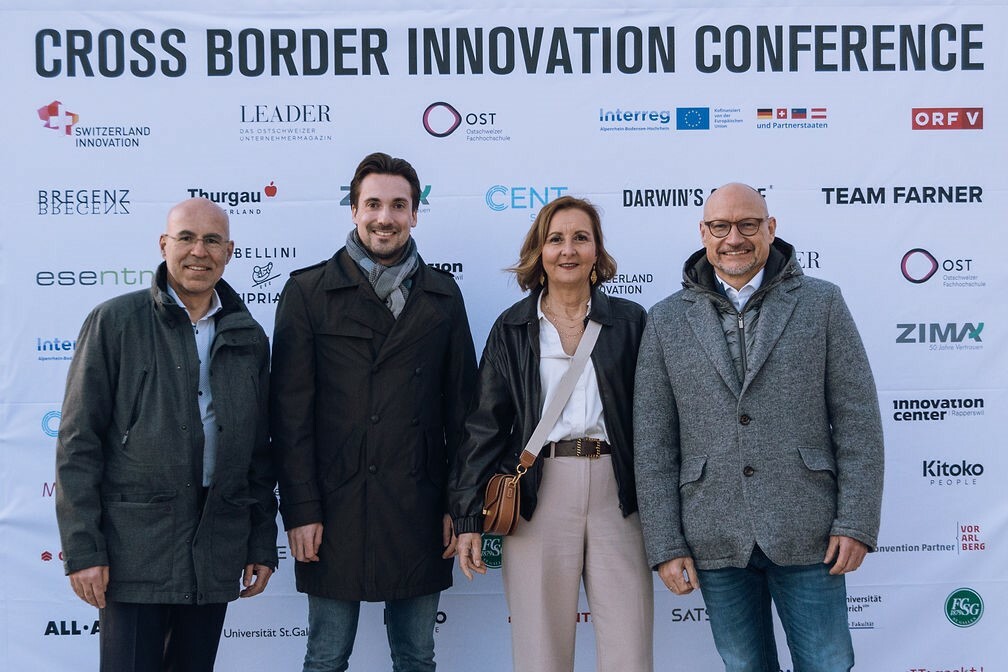
Setting Up the Zürich-Clinton Innovation Bridge
I have spent more time than I care to admit working with cross-border collaboration frameworks, and the portal system connecting Zürich and Clinton, Iowa, is one of the more interesting ones I have encountered. It operates on a straightforward premise: researchers, entrepreneurs, and municipal planners from both sides of the Atlantic can share protocols, patent data, and local innovation strategies through a unified interface. The catch is that the portal was not designed with intuitive onboarding in mind, and navigating it requires a specific understanding of how the two systems talk to each other. The core architecture relies on a federated data model. Zürich contributes its institutional research output, patent filings from ETH and the University of Zürich, and municipal tech-hub metrics. Clinton provides agricultural innovation data, midwest manufacturing pilot results, and community-level adoption studies. The portal syncs these feeds on a weekly cadence, but the sync is not seamless. I ran into a persistent issue where Clinton's USDA-formatted CSV files would import but render as garbled text in the Swiss backend because the encoding header was missing a UTF-8 declaration. The fix was simple once I figured it out: add a BOM (byte order mark) at the top of every CSV export before uploading. Without it, the portal silently corrupts the file during ingestion. I wasted three weeks thinking the system was broken before realizing the problem was entirely on the data prep side. What makes this portal particularly useful is the shared workspace module. Unlike most cross-institutional platforms that just mirror documents from one side to the other, this system allows concurrent editing with role-based permissions. A developer in Clinton can tag a section of a research paper, and a Zürich-based policy analyst can respond directly within the same document without downloading and re-uploading anything. The comment thread stays linked to the specific version of the file, which matters when you are tracking revisions across multiple grant cycles.
One counter-intuitive thing about the portal that beginners consistently miss is the search function. It does not index by title alone. The full-text search engine includes field-level metadata, so a query for "precision agriculture sensor" will return results from Zürich papers that mention the technology in the methodology section even if the word never appears in the abstract. However, this also means broad queries return too much noise. Narrowing your search with the operator flags — AND, NOT, and the proximity operator NEAR/5 — cuts the result set down dramatically and saves considerable time. I typically start with a tight Boolean string and then broaden only if the initial results are insufficient. The download functionality is another area where the portal diverges from expectations. You cannot bulk-export entire project folders. Each file must be downloaded individually, and there is a 50 MB per-session limit that triggers a hard timeout. If you are trying to pull down a large dataset, you need to chunk it. I developed a workflow using the portal's API endpoint with a pagination script that fetches 200 records at a time and saves them locally with unique identifiers. This brings a process that would otherwise take half a day down to roughly forty minutes, assuming your API key has the appropriate scope level. Here is where the portal falls short and you need to plan around it. The system does not support real-time video conferencing or integrated messaging. All communication between cross-border collaborators happens through the comment threads embedded in documents or through external tools that are not linked to the portal. This creates a fragmentation problem. Important discussions get scattered across email, Slack, and the portal itself, and recovering the full context of a decision requires checking three different platforms. The workaround is to maintain a running decision log as a separate document in your workspace and link it to relevant files. It is tedious but necessary for audit trails, especially when grant agencies require documentation of collaborative decision-making.
The user tier system is another nuance worth understanding before you invest time in the platform. There are three levels: viewer, contributor, and lead. A viewer can search and download but cannot edit shared workspaces. A contributor can add and annotate but cannot modify metadata on existing files. Only a lead can restructure project folders or change access permissions for the entire workspace. I have seen people repeatedly attempt actions they did not have permission for and assume the portal was malfunctioning. Check your role before reporting an issue — about a third of the support tickets I helped troubleshoot were simply permission errors. If you are setting this up for a new collaboration, I recommend starting with a single pilot project rather than trying to migrate an entire department. The portal's learning curve is steeper than most institutions anticipate, and spreading your efforts too thin leads to abandoned workspaces and frustrated team members. Pick one joint research initiative, assign a lead from each side, and establish clear data-sharing protocols before the first document is uploaded. The portal handles the technical collaboration well once you get past the initial configuration. The bottleneck is almost always human coordination, not the system itself. For those looking to access the portal, you will need an institutional affiliation from either a participating Zürich university or a registered Clinton-area organization. The application process involves verifying your credentials and agreeing to a data-sharing memorandum. Approval typically takes five to seven business days. There is no public registration, and attempting to create a workaround account gets flagged within the first week. Make sure your sponsoring institution submits the paperwork through the correct channel, which is listed in the portal's onboarding document under the "Access Requests" section.
Get the Full Details